Risk management training lays a solid foundation for organizations, equipping them to navigate uncertainties with confidence. It’s not just about compliance; it’s a strategic approach that merges innovation with safety, ultimately enhancing business operations. By understanding the key components of effective training programs, companies can foster a culture of risk awareness that permeates every level of their organization.
This training covers various aspects, including the integration of risk assessment, adapting to cultural contexts in international business, and even team-building exercises that underscore the importance of effective communication. Each element plays a crucial role in ensuring both the safety of employees and the sustainability of the business.
Risk Management Training Overview
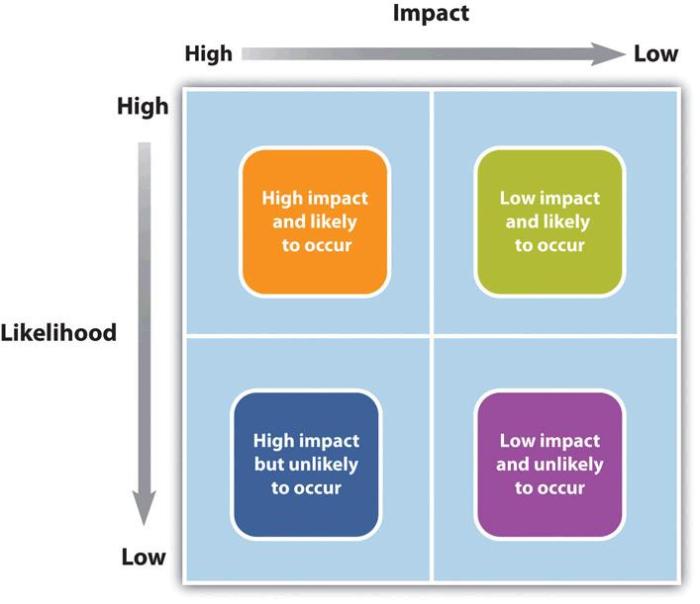
Risk management training is essential for any business aiming to thrive in today’s competitive environment. It involves equipping employees with the knowledge and skills necessary to identify, assess, and mitigate risks that may affect the organization’s operations. The importance of such training cannot be overstated, as it lays the groundwork for informed decision-making, enhances operational efficiency, and contributes to overall business resilience.Key components of effective risk management training programs include a comprehensive curriculum that covers risk identification, assessment methodologies, risk response strategies, and compliance requirements.
It’s important that training programs are tailored to the specific needs of the organization and its industry. Additionally, risk assessment plays a critical role in developing training materials, ensuring that the content is relevant and directly applicable to the risks faced by the organization.
Business Innovation and Risk Management
Innovative practices can significantly enhance risk management strategies by introducing new technologies, methodologies, and approaches that improve risk detection and response. Companies that embrace innovation often find themselves better positioned to mitigate risks effectively. For instance, the use of data analytics can provide deeper insights into potential vulnerabilities, enabling businesses to proactively address them.The relationship between business innovation and risk mitigation is symbiotic.
As businesses innovate, they also identify new risks that arise from these advancements. An example of this can be seen in the tech industry, where firms that adopt agile methodologies not only improve their product development cycles but also enhance their risk management capabilities through iterative feedback loops. Innovative risk management training, which incorporates real-world scenarios and case studies, has led many organizations to achieve notable success by fostering a proactive risk culture among employees.
International Business and Risk Training
In a global context, risk management training faces unique challenges, such as diverse regulatory environments and cultural differences. Organizations must adapt their training programs to effectively address these variations, ensuring that employees in different regions understand local risks and compliance standards. This could involve modifying training content to reflect cultural nuances and regulatory requirements specific to each location.Compliance and regulatory training are particularly crucial in international business settings.
Companies must stay abreast of evolving laws and standards across countries to avoid penalties and reputational damage. This requires a robust training framework that not only educates employees about compliance but also reinforces the importance of adhering to international standards.
Business Management and Risk Training Integration
Integrating risk management training into broader business management strategies is vital for fostering a risk-aware culture within an organization. This integration helps ensure that risk considerations are embedded in all decision-making processes across departments. By creating a framework for aligning risk management training with existing management practices, businesses can streamline their operations and enhance overall effectiveness.The benefits of aligning risk training with organizational goals are multifaceted.
It leads to improved collaboration among teams, enhances strategic planning, and ultimately results in a more resilient organization. Moreover, when employees understand how their roles contribute to the organization’s risk management efforts, they are more likely to engage proactively in identifying and mitigating risks.
Marketing and Risk Awareness
Marketing strategies play a crucial role in promoting risk awareness within an organization. By effectively communicating the importance of risk management training, companies can foster a culture of awareness and vigilance among employees. This can be achieved through campaigns that highlight success stories and the impact of proactive risk management on business outcomes.Designing marketing materials that emphasize the importance of risk management training is essential.
These materials should not only inform but also engage employees, creating a sense of urgency around risk awareness. Case studies where effective marketing of risk training has led to improved compliance and reduced incidents of risk can serve as powerful motivators for organizational engagement.
Networking and Risk Management Training
Building networks that enhance risk management training is key to creating a supportive learning environment. Collaborative learning approaches can significantly enrich training experiences by allowing participants to share insights, challenges, and solutions. This exchange of ideas can lead to innovative training methodologies that cater to diverse learner needs.Successful partnerships between organizations can result in improved risk training programs. For instance, collaborations with industry experts, academic institutions, or even other businesses can lead to the development of comprehensive training modules that leverage best practices and cutting-edge research.
Engaging with external networks facilitates a broader perspective on risk management and encourages continuous improvement in training programs.
Business Outsourcing and Risk Management
Outsourcing presents a host of risks that organizations must address through effective training. Risks such as data security breaches, compliance challenges, and communication breakdowns can undermine the benefits of outsourcing if not managed appropriately. Therefore, developing tailored training for outsourced teams is vital in ensuring they are equipped to manage these risks effectively.Metrics for assessing the effectiveness of risk training for outsourced functions should focus on outcomes such as compliance rates, incident response times, and overall risk awareness among team members.
By continuously monitoring these metrics, organizations can make informed adjustments to their training programs, ensuring that outsourced teams are aligned with the company’s risk management objectives.
Risk Management in Team Building
Risk management training plays a significant role in team-building activities, fostering collaboration and enhancing team dynamics. By incorporating risk management principles into team-building exercises, organizations can promote an understanding of how individual roles contribute to overall risk mitigation efforts. This approach not only strengthens teamwork but also reinforces a culture of accountability and proactive risk management.Effective team communication is crucial for the success of risk management training outcomes.
When teams openly discuss risks and share strategies for addressing them, they become more agile in their responses. Activities that simulate real-life risk scenarios can be particularly effective in enhancing communication skills and fostering a collaborative spirit among team members.
Workplace Safety and Risk Management Training
The intersection of workplace safety training and risk management is vital for safeguarding employees and minimizing organizational risks. Comprehensive training programs that address both areas are essential for creating a safe and compliant work environment. These programs should cover not only regulatory requirements but also best practices for identifying and mitigating workplace hazards.An effective workplace safety training checklist in relation to risk management should include items such as hazard identification, emergency response procedures, and employee responsibilities.
By ensuring that employees are well-informed about safety protocols and risk management practices, organizations can significantly reduce the likelihood of incidents occurring.
Small Business and Risk Management Training
Small businesses often face unique challenges when implementing risk management training. Limited resources and budgets can hinder their ability to develop comprehensive training programs. However, there are affordable resources and tools available that can help small businesses enhance their risk management training without breaking the bank.Success stories of small businesses that have effectively utilized risk management training demonstrate the value of proactive risk strategies.
By leveraging low-cost online resources and community partnerships, small businesses can create impactful training programs that contribute to their resilience and long-term success.
Strategic Planning and Risk Management Training
Risk management training supports strategic planning initiatives by ensuring that risk considerations are integrated into the planning process. A strategic plan template that incorporates risk management considerations should Artikel potential risks associated with various strategic objectives, enabling businesses to prepare accordingly.Leadership plays a crucial role in fostering a culture of risk awareness during planning. By championing risk management initiatives and encouraging open discussions about risks, leaders can create an environment where employees feel empowered to identify and address potential challenges proactively.
Venture Capital and Risk Training
For startups seeking venture capital, risk management training is of paramount importance. Investors often scrutinize a startup’s risk management capabilities before making funding decisions. Startups must develop guidelines for creating compelling risk management presentations that address potential risks and demonstrate their strategies for mitigation.Common risks that venture capitalists look for include market volatility, operational risks, and regulatory compliance issues. Training that equips startups to effectively communicate their risk management strategies can significantly enhance their chances of securing funding and establishing lasting partnerships with investors.
End of Discussion
In summary, risk management training is an essential investment for any organization aiming to thrive in today’s complex business landscape. By embracing innovative strategies and fostering collaboration, businesses can not only mitigate risks but also unlock new opportunities for growth. As we’ve explored, the integration of risk management into all facets of business operations is vital for achieving long-term success and resilience.
Question Bank
What is the main goal of risk management training?
The main goal is to equip employees with the knowledge and skills to identify, assess, and mitigate risks effectively in their roles.
Who should participate in risk management training?
All employees, especially those in management, compliance, and operational roles, should participate to promote a culture of risk awareness.
How often should risk management training be conducted?
It should be conducted regularly, at least annually, or whenever there are significant changes in operations, regulations, or risks.
Are there specific industries where risk management training is more critical?
Yes, industries such as healthcare, finance, and manufacturing face unique risks, making training particularly critical in those sectors.
What are the benefits of integrating risk management training into existing programs?
Integration enhances overall business strategies, ensures compliance, and improves employee engagement by aligning risk management with organizational goals.