
Due diligence checklist stands as a crucial element in the realm of business transactions, ensuring that all necessary precautions are taken before finalizing any deal. This comprehensive approach not only mitigates risks but also highlights opportunities, serving as a roadmap for informed decision-making. Whether you’re embarking on a merger, launching a new venture, or simply seeking to enhance operational efficiency, understanding the due diligence process is essential.
This overview delves into the components of an effective due diligence checklist, detailing its significance across various business sectors and its influence on innovation, risk management, and strategic planning. By systematically evaluating financial, legal, and operational aspects, businesses can navigate complexities and foster sustainable growth.
Understanding Due Diligence
Due diligence is a crucial process in the realm of business transactions, serving as a critical examination before finalizing any deal. It encompasses various investigations and assessments that allow parties to analyze the details of a business, ensuring informed decision-making. The importance of due diligence cannot be overstated, as it helps to identify potential risks, verify financial information, and ultimately leads to better negotiation positions.
Types of Due Diligence Processes
Due diligence processes can be categorized into several types, each serving specific purposes depending on the nature of the transaction. These include:
- Financial Due Diligence: This involves a thorough assessment of a company’s financial records, ensuring accuracy and uncovering any discrepancies.
- Legal Due Diligence: It examines legal aspects, including contracts, compliance with laws, and any potential litigation risks.
- Operational Due Diligence: This focuses on the operational aspects of a business, analyzing processes, structures, and the overall efficiency of operations.
- Market Due Diligence: This evaluates the market conditions, competition, and trends that may affect the business’s performance.
- Environmental Due Diligence: It assesses environmental risks associated with the business operations, ensuring compliance with environmental regulations.
Key Steps in Conducting Due Diligence
Conducting effective due diligence involves several key steps that are essential for gathering comprehensive information. These steps include:
- Preparation: Establishing a clear understanding of what needs to be examined and gathering relevant documentation.
- Information Gathering: Collecting data from various sources, including financial statements, legal documents, and operational reports.
- Analysis: Carefully analyzing the gathered information to identify potential risks and opportunities.
- Reporting: Compiling findings into a detailed report that Artikels insights and recommendations for stakeholders.
- Review and Follow-Up: Engaging in discussions with relevant parties to address concerns and clarify findings.
Components of a Due Diligence Checklist
A well-structured due diligence checklist is indispensable for ensuring no critical area is overlooked during the assessment process. The checklist should encompass a variety of components relevant to different aspects of the business.
Comprehensive Checklist Items
Below is a detailed checklist that covers essential areas to evaluate during due diligence:
- Financial Records: Profit and loss statements, balance sheets, tax returns, etc.
- Legal Documents: Contracts, employment agreements, leases, and compliance documentation.
- Operational Processes: Workflow diagrams, employee roles, and any existing operational manuals.
- Market Analysis: Competitor analysis, market positioning, and customer demographics.
- Environmental Compliance: Permits, environmental impact assessments, and sustainability practices.
Significance of Each Component
The components of the checklist play a vital role in the due diligence process. For instance, financial records provide insight into the business’s profitability and fiscal health, while legal documents ensure that all agreements are binding and compliant with regulations. Operational processes reveal the efficiency of business operations, and market analysis helps understand the competitive landscape. Environmental compliance is crucial for assessing potential liabilities associated with regulatory issues.
Organizing the Checklist
Organizing the checklist into categories enhances clarity and ensures a thorough evaluation. The relevant categories may include:
- Financial: Financial records, tax returns, cash flow statements.
- Legal: Contracts, licenses, intellectual property rights.
- Operational: Processes, workforce structure, equipment.
- Market: Customer insights, competitor positioning, industry trends.
- Environmental: Regulatory compliance documents, sustainability reports.
Due Diligence in Business Innovation
Due diligence is not only vital in traditional transactions but also plays a pivotal role in fostering innovation within businesses. By thoroughly assessing potential initiatives, companies can identify the feasibility and impact of innovative projects.
Impact on Innovation Initiatives
The relationship between due diligence and innovation is significant, as due diligence practices can support and enhance innovative efforts. This involves assessing new technologies, research and development projects, and market trends that are pivotal for innovation.
Examples of Due Diligence Practices
There are practical ways in which due diligence can bolster innovative projects, including:
- Feasibility Studies: Conducting studies to ensure that proposed innovations align with market demands.
- Risk Assessments: Identifying potential challenges associated with new initiatives and developing strategies to mitigate them.
- Stakeholder Engagement: Involving key stakeholders early in the innovation process to garner support and input.
Relationship Between Risk Management and Innovation
Risk management is an integral aspect of due diligence that can affect innovation. By identifying risks early, businesses can devise plans to address them, fostering a culture of innovation while minimizing potential setbacks. This balanced approach enables companies to explore new opportunities with confidence, leading to sustained growth and competitive advantage.
International Business Considerations
Due diligence in international business transactions presents unique challenges that companies must navigate to ensure success. Different cultures, regulations, and market conditions can significantly impact the due diligence process.
Unique Challenges in International Transactions
Some of the challenges faced during due diligence internationally include:
- Regulatory Variations: Understanding diverse legal systems and compliance requirements across countries.
- Cultural Differences: Adapting to various communication styles and business practices that may differ significantly.
- Data Accessibility: Difficulty in obtaining reliable data due to varying transparency levels in different markets.
Strategies for Effective Due Diligence
To effectively conduct due diligence across borders, businesses can employ the following strategies:
- Local Expertise: Collaborating with local professionals who understand the regulatory and cultural landscape.
- Comprehensive Research: Engaging in thorough market research to gather insights that inform the due diligence process.
- Standardization of Processes: Establishing consistent due diligence methodologies applicable in various markets can streamline efforts.
Importance of Compliance
Compliance is a cornerstone of international due diligence. Ensuring that all practices adhere to local laws and international standards protects organizations from legal repercussions and enhances their reputation globally. Companies that prioritize compliance in their due diligence efforts are more likely to build lasting relationships and succeed in diverse markets.
Conducting Effective Business Interviews
Conducting interviews is a vital step in the due diligence process, providing essential information that informs decisions. Effective interviews can uncover insights that paperwork alone may not reveal.
Designing Questions for Interviews
Creating a set of targeted questions is critical for gathering relevant information during interviews. Some examples include:
- How does your company assess its financial health?
- What are the main risks you face in your operations?
- Can you describe the culture and values of your organization?
Role of Interviews in Due Diligence
Interviews serve as a valuable tool for collecting qualitative data that complements quantitative assessments. They provide a platform for clarifying ambiguities in documents and gaining a deeper understanding of the company’s operations, culture, and potential challenges.
Influence of Interview Outcomes
The insights gained from interviews can significantly influence due diligence findings. For instance, an interview revealing discrepancies in financial statements may prompt further investigation. Interviews also allow stakeholders to gauge the integrity and transparency of key personnel, which can impact the overall perception of the business.
Job Search Techniques and Due Diligence
Due diligence plays a vital role in the job search process, helping candidates evaluate potential employers before accepting job offers. By conducting thorough research, candidates can make informed decisions that align with their career goals.
Evaluating Companies Before Accepting Offers
Candidates can utilize several techniques for due diligence when assessing companies, including:
- Company Research: Investigating the company’s history, reputation, and employee reviews on platforms like Glassdoor.
- Networking: Connecting with current or former employees to gain insights into company culture and practices.
- Understanding Financial Health: Reviewing financial statements and reports to gauge the company’s stability.
Identifying Red Flags
During the due diligence process, candidates should be vigilant for potential red flags, such as:
- High employee turnover rates, indicating dissatisfaction or poor management.
- Lack of transparency about company operations or financials during the interview process.
- Negative reviews and feedback from former employees regarding work-life balance or company ethics.
Business Management and Due Diligence
Due diligence is fundamentally intertwined with effective business management practices. It provides a framework for informed decision-making and strategic planning, ensuring that managers are equipped to navigate complexities.
Importance of Due Diligence in Management
Due diligence helps managers identify risks and opportunities that inform their decisions. By thoroughly assessing potential impacts, managers can devise strategies that align with organizational objectives.
Supporting Decision-Making
Due diligence contributes to sound decision-making at the management level by providing comprehensive data and insights. For instance, when considering a merger or acquisition, due diligence reviews can highlight potential synergies and challenges that may arise.
Risk Assessment in Business Management
As part of business management, risk assessment is critical. Due diligence enables organizations to identify potential risks and develop mitigation strategies. This proactive approach ensures that managers can make informed decisions that minimize exposure to uncertainties and enhance organizational resilience.
Marketing Direct and Due Diligence
Due diligence can significantly enhance direct marketing strategies by ensuring campaigns are well-informed and targeted. An understanding of the market and consumer behavior is essential for effective outreach.
Enhancing Direct Marketing Strategies
By applying due diligence, marketers can tailor their strategies to meet specific consumer needs. This can involve:
- Target Audience Analysis: Conducting research to identify the demographics, preferences, and behaviors of the target audience.
- Competitive Benchmarking: Assessing competitors’ marketing strategies to identify gaps and opportunities.
- Consumer Feedback: Gathering feedback from current and potential consumers to refine marketing messages.
Evaluating Marketing Campaign Effectiveness
Due diligence also plays a role in evaluating the effectiveness of marketing campaigns. Marketers can analyze:
- Return on Investment (ROI): Measuring the financial returns against the marketing expenses.
- Market Reach: Assessing how well the campaign reached its intended audience.
- Engagement Metrics: Analyzing consumer interactions with marketing materials through various channels.
Impact of Consumer Data
Consumer data is pivotal in informing marketing-related due diligence processes. Analyzing data trends can identify consumer preferences, enabling businesses to adjust their marketing strategies accordingly. This data-driven approach ensures that marketing efforts are aligned with consumer expectations, enhancing overall effectiveness.
Building a Business Networking Strategy
Leveraging due diligence in business networking opportunities can strengthen professional relationships and enhance collaboration. A strategic approach to networking can yield significant benefits for individuals and organizations alike.
Researching Networking Contacts
Research is a critical step in identifying potential networking contacts and opportunities. Effective strategies include:
- LinkedIn Connections: Utilizing LinkedIn to explore mutual connections and industry leaders.
- Industry Events: Attending conferences and seminars to meet like-minded professionals.
- Referrals: Seeking introductions from existing contacts to expand networking reach.
Importance of Networking Research
Thorough research equips individuals with the knowledge needed to engage meaningfully with networking contacts. By understanding a contact’s background and interests, professionals can tailor their conversations and establish rapport more effectively.
Strengthening Professional Relationships
Due diligence fosters stronger professional relationships by enabling individuals to approach networking with sincerity and intention. For instance, when reaching out to a potential mentor, referencing shared interests or mutual connections showcases genuine investment, making it more likely to elicit a positive response.
Outsourcing and Due Diligence
Due diligence is a critical component when conducting assessments for outsourcing partners. It ensures that organizations select the right vendors or service providers, mitigating potential risks associated with outsourcing.
Key Considerations for Outsourcing Partners
When evaluating potential outsourcing partners, organizations should consider the following:
- Reputation: Researching the partner’s history, reviews, and performance track record.
- Financial Stability: Assessing the financial health of the partner to ensure they can sustain operations.
- Compliance: Verifying that the partner adheres to relevant regulations and standards.
Evaluating Potential Vendors
The evaluation process for potential vendors should include:
- Site Visits: Conducting on-site assessments to evaluate operational capabilities and facilities.
- References: Contacting previous clients to gauge satisfaction and performance.
- Service Level Agreements (SLAs): Reviewing SLAs to ensure clarity in expectations and deliverables.
Mitigating Outsourcing Risks
Outsourcing comes with inherent risks, such as quality control and communication barriers. Through comprehensive due diligence, organizations can identify and address these risks proactively, ensuring a smoother partnership.
Effective Business Presentations
Preparing effective presentations based on due diligence findings is essential for communicating insights to stakeholders. Clarity and engagement are key factors in successful presentations.
Checklist for Preparing Presentations
A well-structured checklist can enhance the preparation process for presenting due diligence findings. Key elements to include are:
- Clear Objectives: Defining the goals of the presentation and key messages to convey.
- Data Visualization: Utilizing charts and graphs to make complex information more digestible.
- Engaging Delivery: Practicing delivery techniques to maintain audience interest.
Role of Communication in Presentations
Effective communication is vital when presenting due diligence results. Presenters should aim to articulate findings clearly, allowing stakeholders to grasp the implications quickly. Utilizing storytelling techniques can also enhance engagement and retention of information.
Structuring Compelling Presentations
Structuring presentations around due diligence data involves creating a logical flow of information. Starting with an overview, followed by detailed findings, and concluding with actionable recommendations ensures a cohesive narrative that resonates with the audience.
Enhancing Business Productivity through Due Diligence
Due diligence plays a significant role in improving productivity within organizations. By implementing diligent practices, businesses can identify inefficiencies and optimize operations.
Link Between Due Diligence and Productivity
The relationship between due diligence and productivity stems from the insights gained through thorough assessments. By analyzing processes and workflows, organizations can pinpoint areas for improvement, leading to enhanced efficiency.
Methods to Assess Workplace Efficiency
Organizations can employ various methods to evaluate workplace efficiency through due diligence, such as:
- Performance Metrics: Tracking key performance indicators (KPIs) to measure productivity levels.
- Process Mapping: Visualizing workflows to identify bottlenecks and redundancies.
- Employee Feedback: Gathering input from employees on challenges and suggestions for improvement.
Role of Technology in Facilitating Due Diligence
Technology serves as a vital tool in enhancing the due diligence process for productivity. Data analytics and management software can streamline data collection and analysis, providing real-time insights that inform decision-making and operational enhancements.
The Restaurant Industry and Due Diligence
The restaurant industry requires specific due diligence considerations to ensure compliance and operational efficiency. Unique challenges must be addressed to maintain a successful establishment.
Due Diligence Considerations for Restaurants
Key due diligence aspects to focus on within the restaurant industry include:
- Financial Checks: Analyzing sales reports, budgeting, and cost management practices.
- Operational Assessments: Evaluating kitchen operations, staffing, and service quality.
- Regulatory Compliance: Ensuring adherence to health and safety regulations, as well as licensing requirements.
Financial and Operational Checks
Specific checks for financial and operational aspects in restaurants can include:
- Inventory Management: Reviewing inventory turnover rates and waste management practices.
- Supply Chain Evaluations: Assessing suppliers for reliability and quality of ingredients.
- Customer Experience: Analyzing customer feedback and service quality to ensure satisfaction.
Importance of Regulatory Compliance
Regulatory compliance is critical in the restaurant industry, as violations can result in severe penalties. Conducting due diligence ensures that establishments meet all necessary health and safety standards, protecting both customers and business operations.
Crafting Resumes and Cover Letters with Due Diligence
Tailoring resumes and cover letters with a focus on due diligence can significantly enhance a candidate’s job application. A thoughtful approach ensures that application materials resonate with potential employers.
Guidelines for Tailoring Application Materials
Candidates can follow specific guidelines to effectively incorporate due diligence into their resumes and cover letters:
- Researching Employers: Investigating company values and culture to align applications with their expectations.
- Highlighting Relevant Skills: Emphasizing skills and experiences that demonstrate due diligence capabilities.
- Customizing Content: Tailoring each application to address the specific requirements of the job position.
Importance of Research
Research plays a pivotal role in the application process. Understanding potential employers allows candidates to customize their materials effectively, showcasing their alignment with the company’s goals and values.
Effective Resume Formats
Candidates can utilize various resume formats that highlight due diligence skills, such as chronological, functional, or combination formats. Including specific achievements and quantifiable results can demonstrate the candidate’s ability to conduct thorough assessments and make informed decisions.
Retail Business and Due Diligence
Retail businesses have unique due diligence requirements that must be addressed for effective operations and growth. Proper assessments are essential to navigate market dynamics effectively.
Due Diligence Requirements for Retail Businesses
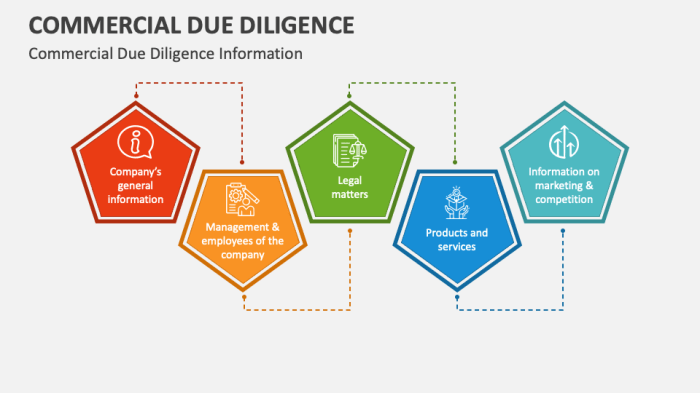
Key requirements for retail due diligence include:
- Inventory Management: Assessing inventory turnover rates and stock management practices to ensure efficiency.
- Supplier Evaluations: Evaluating suppliers for reliability, quality, and compliance with industry standards.
- Market Condition Assessments: Analyzing market trends and consumer behavior to inform inventory and marketing strategies.
Importance of Inventory Management
Effective inventory management is critical in retail, as it directly impacts cash flow and profitability. Conducting due diligence in this area helps businesses optimize stock levels and reduce waste, ultimately enhancing financial performance.
Assessing Market Conditions
Understanding market conditions through due diligence allows retail businesses to be proactive in adapting to consumer trends. By evaluating consumer behavior and preferences, businesses can adjust their offerings and marketing strategies accordingly, ensuring relevance in a competitive landscape.
Risk Management Strategies through Due Diligence
Due diligence serves as a foundation for effective risk management strategies within organizations. Identifying potential risks through diligent assessments enables businesses to mitigate threats proactively.
Supporting Risk Management Practices
The role of due diligence in supporting risk management includes:
- Identifying Risks: Conducting thorough assessments to uncover potential vulnerabilities within the organization.
- Developing Mitigation Strategies: Creating plans to address and manage identified risks effectively.
- Monitoring and Review: Continuously evaluating the effectiveness of risk management strategies and making adjustments as necessary.
Techniques for Identifying Risks
Employing various techniques can enhance the risk identification process, such as:
- SWOT Analysis: Analyzing strengths, weaknesses, opportunities, and threats to uncover internal and external risks.
- Scenario Planning: Developing potential scenarios to assess how risks may impact business operations.
- Stakeholder Engagement: Involving key stakeholders in discussions to identify risks from various perspectives.
Risk Mitigation Strategies
Informed by due diligence findings, risk mitigation strategies can include:
- Insurance Coverage: Securing appropriate insurance to protect against potential liabilities.
- Contingency Planning: Developing plans to address unforeseen risks and ensure business continuity.
- Regular Training: Providing training to employees on risk awareness and response protocols.
Last Recap
In conclusion, the due diligence checklist is more than just a list of tasks; it is a strategic tool that empowers businesses to make informed choices and build resilience against potential challenges. By embracing thorough due diligence practices, organizations can not only safeguard their interests but also pave the way for innovation and successful partnerships. As the business landscape continues to evolve, maintaining diligence will remain a cornerstone of effective management and growth.
Helpful Answers
What is the purpose of a due diligence checklist?
The purpose of a due diligence checklist is to systematically identify and assess all relevant business aspects before making significant decisions, ensuring that all potential risks and opportunities are evaluated.
Who should conduct due diligence?
Due diligence should be conducted by individuals or teams with expertise in finance, law, and the specific industry in question, as well as a clear understanding of the transaction at hand.
How often should due diligence be performed?
Due diligence should be performed regularly, especially before major transactions, partnerships, or changes in business strategy, as well as continuously to monitor ongoing risks.
What are the common pitfalls in due diligence?
Common pitfalls include overlooking critical information, inadequate communication among stakeholders, and failing to adapt the checklist to specific business contexts or industries.
Can small businesses benefit from a due diligence checklist?
Yes, small businesses can greatly benefit from a due diligence checklist as it helps them identify risks, leverage opportunities, and make informed decisions, ultimately enhancing their chances for success.