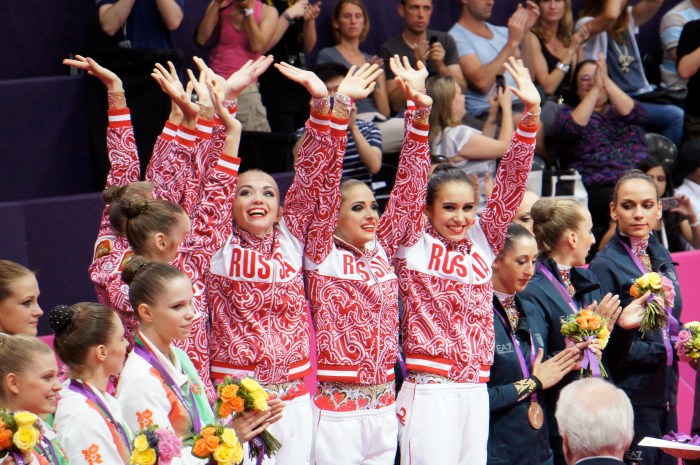
Team motivation techniques are essential for fostering a productive and enthusiastic workplace. By understanding what drives team members, organizations can create an environment that not only boosts morale but also enhances performance and collaboration.
This overview delves into the various aspects of team motivation, including effective communication, recognition systems, and the impact of leadership styles. By exploring these elements, teams can unlock their full potential while cultivating a culture of innovation and safety.
Understanding Team Motivation Techniques
Team motivation techniques are essential practices that foster a positive and productive environment within organizations. These techniques significantly impact overall performance and employee satisfaction, paving the way for organizational success. Understanding the psychological aspects that drive team motivation is crucial as it helps leaders create strategies that enhance engagement and productivity.The psychological factors that contribute to team motivation include a sense of belonging, recognition, and the fulfillment of individual needs.
Intrinsic motivation, which stems from personal satisfaction and the desire to achieve, contrasts with extrinsic motivation, which is driven by external rewards such as bonuses or promotions. Recognizing the balance and differences between these motivations is vital for effectively managing team dynamics.
Effective Communication in Motivating Teams
Effective communication plays a crucial role in building a motivated team. It fosters clarity, collaboration, and a sense of belonging among team members. By encouraging open dialogue, team members feel valued and heard, which can significantly enhance their motivation levels.Some communication strategies that enhance team motivation include:
- Regular team meetings to discuss progress and address concerns.
- Creating an open-door policy that encourages feedback and suggestions.
- Utilizing collaborative tools for transparent communication and project management.
Feedback is a powerful motivator when used effectively. Providing constructive feedback, recognizing accomplishments, and offering support can encourage team members to excel and feel invested in their roles.
Team Building Activities for Motivation
Team building activities are integral to fostering motivation and collaboration among team members. These activities not only strengthen relationships but also create an environment of trust and understanding.Examples of team building activities include:
- Workshops focused on skill development and team dynamics.
- Outdoor challenges and adventure activities that require teamwork.
- Virtual escape rooms or online games for remote teams to build camaraderie.
Participating in these activities improves relationships, builds trust, and can significantly increase motivation levels within teams, particularly in remote settings where personal interactions may be limited.
Recognition and Reward Systems
Implementing effective recognition and reward systems is crucial for motivating teams. These systems can take various forms, from formal awards to informal recognition, each designed to acknowledge team members’ contributions.Types of recognition and reward systems include:
- Monetary rewards such as bonuses or raises.
- Non-monetary rewards such as public recognition or additional time off.
- Peer-to-peer recognition programs that encourage team members to appreciate each other’s efforts.
While monetary rewards often attract attention, non-monetary recognition can create a more profound and lasting impact on team motivation. Designing a recognition program aligned with team goals can significantly enhance its effectiveness.
Leadership and Team Motivation
Leadership styles significantly influence team motivation. Motivational leaders exhibit qualities such as empathy, vision, and the ability to inspire others. Their approach can create a positive atmosphere that enhances team dynamics and encourages individuals to perform at their best.Characteristics of motivational leaders include:
- Effective communication skills that foster an open and supportive environment.
- Setting clear expectations and providing the necessary resources for success.
- Encouraging autonomy and empowerment among team members.
Leaders can inspire and motivate their teams consistently by employing strategies such as mentorship, providing constructive feedback, and recognizing individual contributions.
Training and Development Opportunities
Providing training and development opportunities is essential for maintaining team motivation. Opportunities for growth not only enhance skills but also show employees that the organization values their professional development.Identifying skill gaps and training needs involves:
- Regular assessments to evaluate team performance and capabilities.
- Engaging team members in discussions about their career aspirations and training interests.
- Utilizing feedback from performance reviews to tailor training programs.
Designing a training program that motivates team members includes incorporating elements that cater to their interests and aligning training goals with organizational objectives.
Business Innovation and Team Motivation
There is a strong connection between business innovation and team motivation. Motivated teams are more likely to exhibit creativity and generate innovative solutions that drive organizational success.Examples of companies that motivate teams to innovate include:
- Google, which encourages employees to spend time working on personal projects.
- 3M, known for its “15% rule,” allowing employees to dedicate time to innovative ideas.
- Apple, which fosters a culture of collaboration and exploration of new ideas.
By cultivating a motivated workforce, organizations can enhance their capacity for innovation and maintain a competitive edge in the market.
Workplace Safety as a Motivational Tool
Ensuring workplace safety is a critical factor in enhancing team motivation. A safe environment contributes to employee well-being and fosters a culture of care and responsibility.Examples of safety initiatives include:
- Regular safety training and drills to prepare employees for emergencies.
- Creating a safety committee that includes employees from various levels.
- Implementing ergonomic assessments to ensure physical well-being.
The relationship between employee well-being and motivation is evident; when employees feel safe and cared for, their motivation and productivity levels tend to increase.
Strategic Planning Involving Teams
Involving team members in the strategic planning process is essential for enhancing motivation. When employees have a say in decision-making, it fosters a sense of ownership and responsibility toward organizational goals.Techniques for facilitating team input during planning sessions include:
- Utilizing brainstorming sessions to gather diverse ideas and perspectives.
- Encouraging participation through surveys or feedback forms prior to meetings.
- Assigning roles that allow team members to lead discussions on specific topics.
Shared goals in strategic planning can significantly motivate teams, as it aligns individual contributions with broader organizational objectives.
Measuring Team Motivation
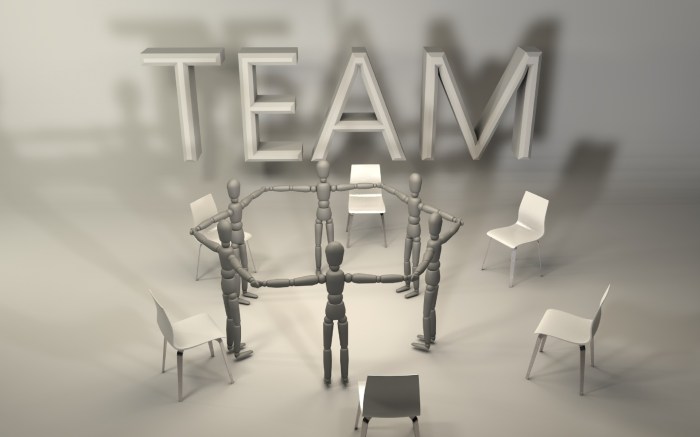
Measuring team motivation is essential for understanding the effectiveness of implemented strategies. Various metrics and methods can provide insights into the motivational levels within a team.Methods for measuring team motivation include:
- Employee surveys that assess job satisfaction and engagement.
- Performance metrics that correlate with motivation levels, such as productivity rates.
- Regular check-ins to discuss team morale and gather feedback.
Regular assessments and feedback loops are crucial for maintaining motivation. Utilizing survey data can help refine strategies and improve overall team motivation efforts.
Conclusive Thoughts
In conclusion, implementing effective team motivation techniques can lead to significant improvements in both employee engagement and overall organizational success. By focusing on communication, recognition, and development opportunities, leaders can create a motivated workforce ready to tackle challenges and innovate.
FAQ Section
What are team motivation techniques?
Team motivation techniques are strategies and practices designed to enhance the motivation and engagement of team members.
How do intrinsic and extrinsic motivation differ?
Intrinsic motivation comes from within an individual, driven by personal satisfaction, while extrinsic motivation is influenced by external rewards or recognition.
What role does communication play in team motivation?
Effective communication fosters openness and trust, allowing team members to feel valued and engaged.
How can recognition systems impact team motivation?
Recognition systems provide validation for team members’ efforts, boosting morale and encouraging continued high performance.
What are some examples of team building activities for motivation?
Examples include collaborative problem-solving exercises, team retreats, and virtual escape rooms that enhance teamwork and trust.