Matching resume to job description is an essential step in the job application process that can significantly influence your chances of landing an interview. By tailoring your resume to the specific requirements of a job, you not only demonstrate your suitability for the role but also showcase your understanding of what the employer values most. In today’s competitive job market, standing out with a well-aligned resume can make all the difference.
Understanding the various components of job descriptions and how to translate that into a compelling resume is crucial. This article delves into the importance of customization, offers strategies for effective job analysis, and highlights the impact of networking and online job search techniques on your job matching endeavors.
Understanding the Importance of Matching Resumes to Job Descriptions
In the competitive job market, aligning your resume with the job description is not just a good practice; it’s essential. Tailoring your resume to specific job descriptions significantly increases your chances of making a lasting impression on prospective employers. A well-matched resume communicates that you have the relevant skills and qualifications that the employer is seeking, thereby enhancing your potential for job acquisition.When candidates fail to match their resumes to job descriptions, they often make several common mistakes.
These include using generic resumes that don’t highlight specific skills, ignoring s that are crucial to the role, and failing to demonstrate how their experience aligns with the job’s requirements. Such oversights can lead to missed opportunities, as hiring managers may overlook applications that do not resonate with the specified needs of the position.
Key Elements of a Job Description
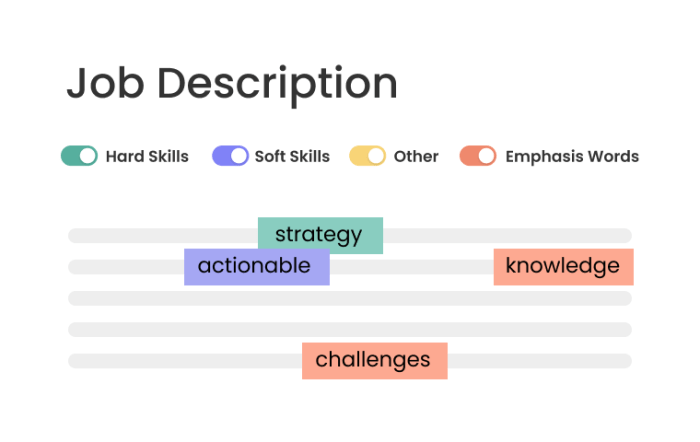
Understanding the components of a job description is critical for tailoring your resume effectively. A typical job description consists of several key elements, including job title, responsibilities, required skills, qualifications, and company culture. Extracting critical skills from these descriptions can be done by identifying action verbs and specific qualifications that are repeatedly emphasized.Common terminology used in job postings includes terms like “team player,” “self-motivated,” and specific technical skills such as “proficient in Python” or “experienced in project management.” Incorporating these s into your resume not only demonstrates your qualifications but also helps in passing through Applicant Tracking Systems (ATS) commonly used by employers.
Analyzing Job Descriptions
Breaking down job descriptions into manageable parts can improve your understanding and focus. Start by highlighting the most important sections, such as primary responsibilities and key qualifications. Techniques for emphasizing relevant experience include creating a matching table that Artikels your skills against the requirements listed in the job description.
| Job Requirement | Your Experience |
|---|---|
| Proven leadership skills | Managed a team of 10 in project scenarios |
| Excellent communication skills | Conducted presentations and wrote reports for senior management |
| Expertise in data analysis | Utilized data analytics tools to drive business decisions |
Customizing Your Resume
Rewriting sections of your resume specifically for each job application can significantly improve your chances of getting noticed. Use strategies like rephrasing your job titles to align with those in the job description or highlighting relevant accomplishments that demonstrate your qualifications. s from the job description should be strategically incorporated into both your resume and cover letter. For example, if a job description emphasizes “customer-centric approach,” ensure that your resume reflects similar phrases in your experience sections to draw a direct connection.
Role of Networking in Job Matching
Networking plays a crucial role in job matching and can provide an edge in the application process. Building professional connections can lead to better job matches, as referrals from trusted connections often carry more weight with employers. Leverage your network for tailored resume feedback, and consider seeking mentorship from seasoned professionals in your field.Examples of effective networking approaches include attending industry meetups, joining professional organizations, and participating in online forums.
Engaging in these communities not only helps expand your network but also presents opportunities to learn about job openings directly from insiders.
Utilizing Online Job Search Techniques
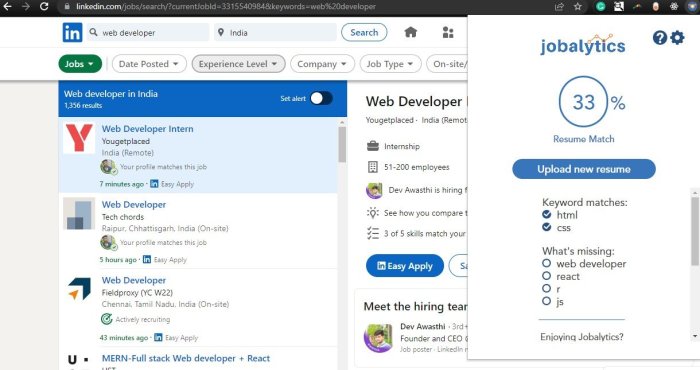
There are numerous tools and platforms available that assist in matching resumes to job descriptions. Popular job boards like LinkedIn, Indeed, and Glassdoor offer powerful search functionalities that allow you to filter jobs based on your skills and experience. To maximize your job search, ensure your online profiles are updated and aligned with the career goals you are pursuing.Applicant Tracking Systems (ATS) play a significant role in the job application process.
Understanding how these systems work can help you tailor your resume to include the right s, thereby increasing the likelihood that your application will be successfully reviewed by hiring managers.
The Role of Business Innovation in Job Matching
Innovative business practices greatly influence job descriptions and the skills required for various roles. As industries evolve, so do the demands for adaptability in resumes. For instance, with the rise of automation and digital tools, candidates are increasingly expected to showcase tech-savviness in their applications.Emerging trends such as remote work and agile project management are reshaping job requirements across sectors.
Candidates should stay informed about these shifts and reflect relevant skills in their resumes to remain competitive.
Resume and Cover Letter Best Practices
Effective resume and cover letter formatting can set you apart from other applicants. A checklist to ensure your documents meet best practices includes using a clean layout, consistent font sizes, and clear section headings. Structuring your cover letter to complement your tailored resume is vital. Start with a strong opening that highlights your enthusiasm for the role and how your skills match the job requirements.
Avoid common pitfalls such as using generic language or failing to proofread for errors.
Importance of Soft Skills in Job Applications
Soft skills have become increasingly important in job descriptions, reflecting employers’ needs for well-rounded candidates. Examples of soft skills to highlight include adaptability, teamwork, and effective communication. Consider the following list of soft skills and their relevance across various job roles:
- Adaptability – Essential in fast-paced environments
- Teamwork – Crucial for collaborative projects
- Effective Communication – Key for client interactions
- Problem-Solving – Important for overcoming challenges
- Time Management – Necessary for meeting deadlines
Preparing for Business Interviews
Preparation for business interviews should be rooted in a thorough understanding of the job description. Develop talking points that directly correlate with the qualifications and responsibilities Artikeld. Articulating your resume during the interview is an opportunity to reinforce how your experience aligns with the company’s needs. Be ready to answer questions that reflect specific aspects of the job description, showcasing your suitability for the role.
The Impact of Business Management on Job Descriptions
Management roles often define specific skills needed in job descriptions. The trends within management, such as a focus on strategic thinking and emotional intelligence, influence what employers seek in candidates. A comparison chart of management positions and their corresponding skill sets can provide clarity on what is expected:
| Management Position | Required Skills |
|---|---|
| Project Manager | Leadership, Risk Management, Communication |
| Operations Manager | Process Improvement, Team Management, Analytical Skills |
| Sales Manager | Sales Strategy, Customer Relationship Management, Negotiation Skills |
Exploring the Restaurant Industry Job Market
The restaurant industry demands specific skills and qualifications that vary across different roles. For instance, kitchen staff need technical culinary skills, while front-of-house staff must excel in customer service. Tailoring resumes for various roles within the restaurant sector requires highlighting relevant experience, such as food handling certifications for kitchen positions or conflict resolution skills for waitstaff. Successful resumes from the restaurant industry often showcase a blend of hard and soft skills relevant to customer service excellence.
Strategic Planning for Job Seekers
Strategic planning is vital for job seekers aiming to align their resumes with future job descriptions. Creating a roadmap involves identifying your career goals and the skills required for those roles. A table of short-term and long-term job search strategies can guide candidates in their approach:
| Timeframe | Strategy |
|---|---|
| Short-Term | Network within your industry; Attend job fairs |
| Long-Term | Pursue further education; Develop new skills |
The Role of Team Building in Job Applications
Team-oriented roles often require specific adjustments in resumes to effectively showcase teamwork experience. Highlighting collaborative projects or group achievements can illustrate your ability to work well with others.Techniques for emphasizing teamwork include using collective language in your descriptions and providing examples of successful outcomes achieved through collaboration. Team-oriented job descriptions typically seek candidates who can demonstrate shared goals and contributions in a group setting.
Business Sales and Job Matching
Sales roles demand a unique set of skills that should be clearly reflected in your resume. Critical skills for business sales positions include persuasive communication, negotiation tactics, and a deep understanding of the product or service being sold.The impact of effective sales techniques on resume tailoring cannot be understated. A checklist for sales-related qualifications might include:
- Proven track record of achieving sales targets
- Experience in customer relationship management
- Strong negotiation and closing skills
- Ability to analyze market trends
Final Conclusion
In conclusion, the process of matching your resume to a job description is not merely about listing experiences and skills; it’s about making a connection with the prospective employer’s needs. By employing strategic customization techniques and leveraging your network, you can enhance your job search effectiveness and improve your chances of success. Remember, a tailored resume is your ticket to making a memorable first impression.
Quick FAQs
Why is it important to match my resume to a job description?
It shows potential employers that you understand their needs and have the relevant skills and experience for the position.
How can I effectively extract s from a job description?
Look for repeated phrases, specific skills, or qualifications that are emphasized in the job posting, and incorporate them into your resume.
What are common mistakes to avoid when tailoring my resume?
Common mistakes include using a generic resume, neglecting to update your skills section, and failing to address the specific qualifications listed in the job description.
How often should I customize my resume for different job applications?
You should customize your resume for each job application to ensure it aligns closely with the specific requirements of the position.
Can networking really help with resume feedback?
Yes, reaching out to professionals in your field can provide valuable insights and suggestions to improve your resume’s alignment with job descriptions.